This pioneering course in Portugal has produced 2,000 graduates who have established the country’s reputation in the field; by October, 15 public events are planned, including lectures, walks, informal gatherings, an exhibition, planting initiatives and a time capsule
The University of Minho is marking the 40th anniversary of its degree in Biological Engineering, a pioneering programme in Portugal, with a series of activities for the academic community and the public in Braga, running until October.
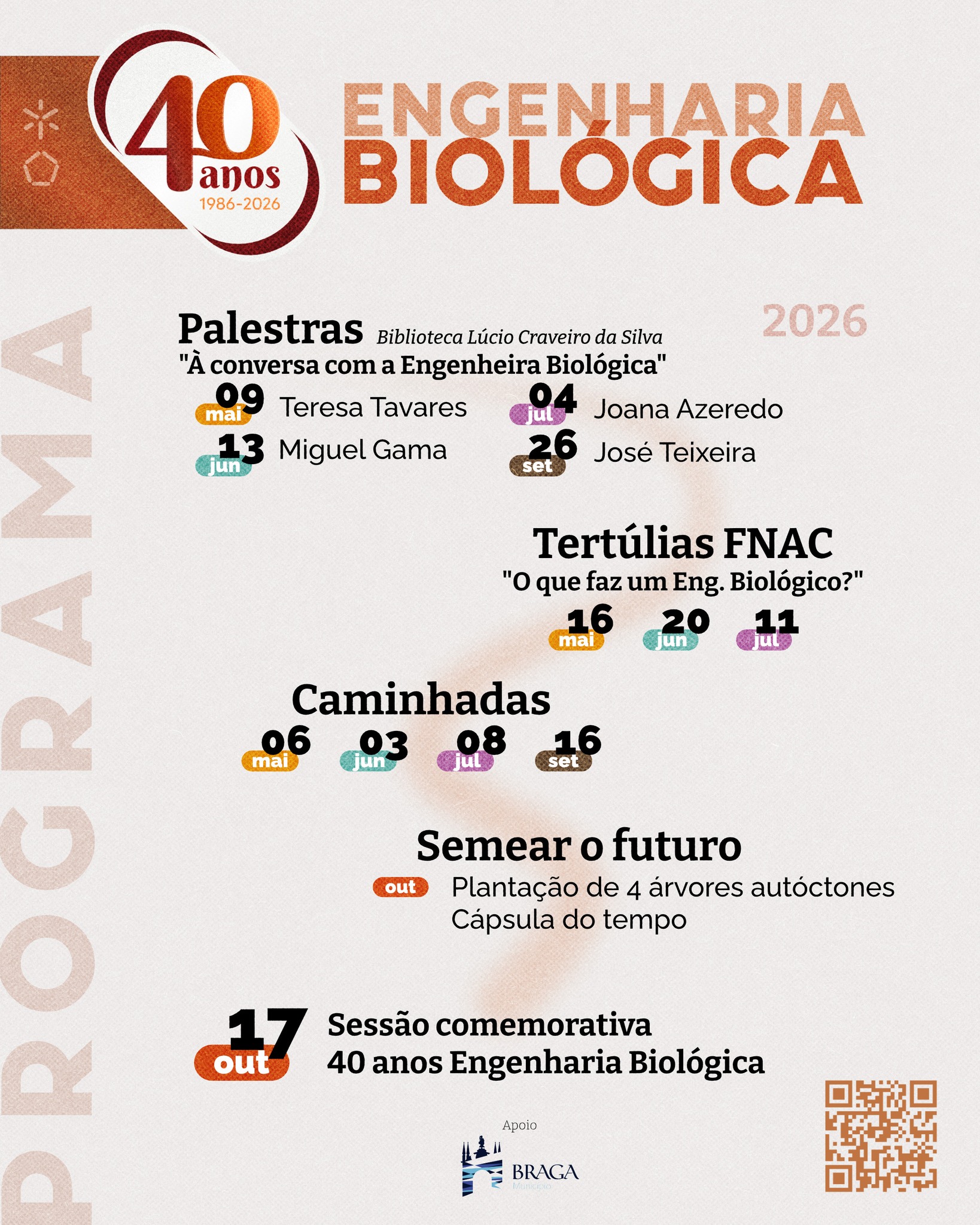
On 6 May, a walk was organised starting from the Gualtar campus, which will be repeated on 3 June, 8 July and 16 September, along various routes through the city and its surroundings, encouraging reunions and the sharing of stories. The celebrations also include a series of lectures at the Lúcio Craveiro da Silva Library: on 9 May with Teresa Tavares (rehabilitation of contaminated ecosystems); on 13 June with Miguel Gama (biocompatible implants); on 4 July with Joana Azeredo (beneficial viruses against disease); and on 26 September with José António Teixeira (biotechnology and the food industry). All lectures begin at 11.00 am.
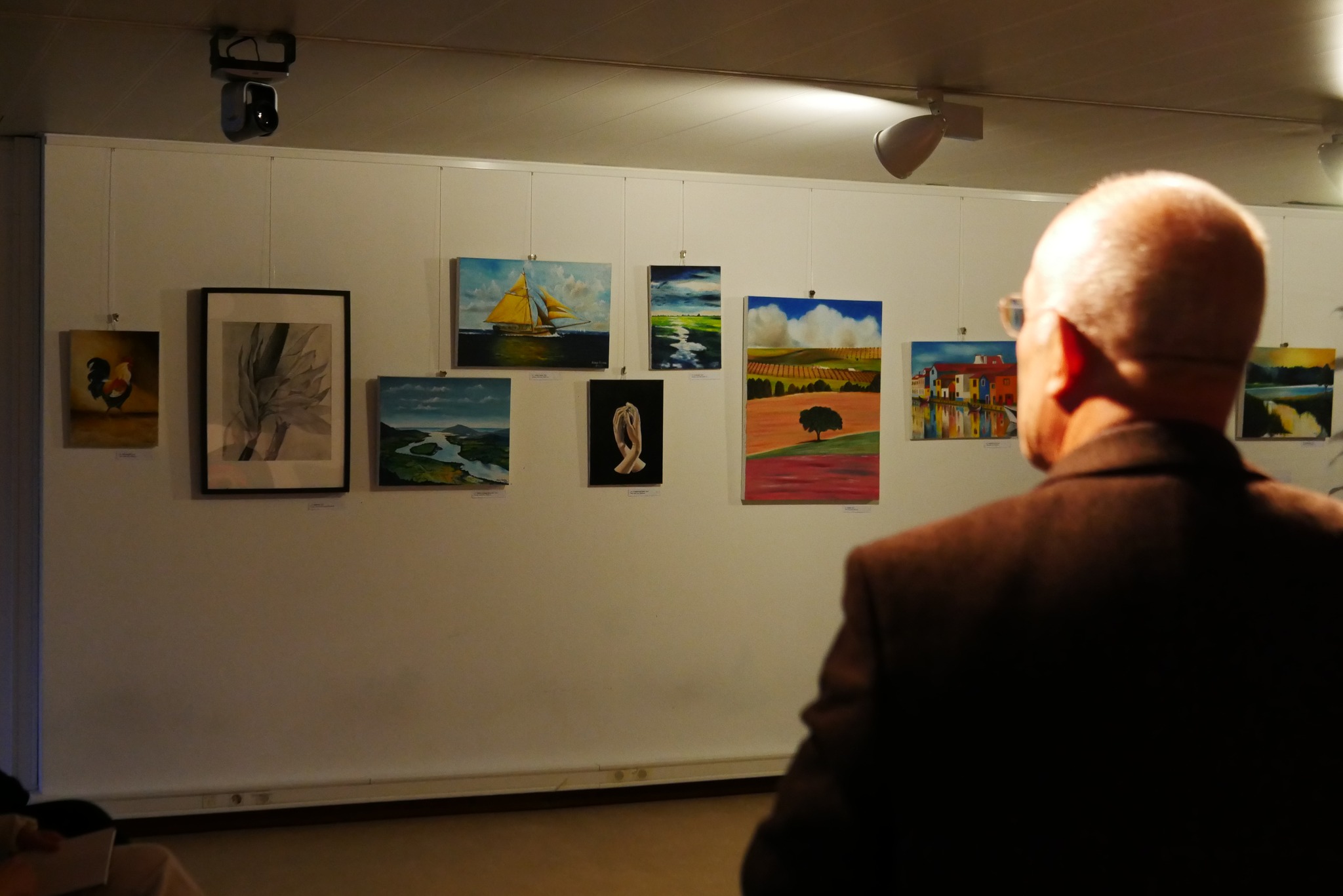
The programme also includes talks by distinguished alumni on 16 May, 20 June and 11 July, at 6.00 pm, at FNAC Braga. Meanwhile, the social media channels of the Department of Chemical and Biological Engineering (DEQB) and the Centre for Biological Engineering (CEB) at UMinho will be sharing testimonials from current and former members. In October, the campus is set to host an exhibition, the planting of four trees (one for each decade), a time capsule containing contributions from the community, and, on the 17th, the official closing ceremony.
International benchmark
UMinho has produced around 2,000 graduates in Biological Engineering – who have shaped the development of the Northern region and the country – and maintains strong links between teaching, research and the business community. For example, the DEQB/CEB is preparing to host Europe’s second phage therapy laboratory and is a co-promoter of the European Research Infrastructure for Microbial Resources (MIRRI-ERIC), supported by the EU, as well as housing the UMinho Mycology Collection, a key resource in the field. The CEB is rated as ‘Excellent’ by the relevant authorities and has been honoured by visits from various dignitaries, such as the President of the Republic (Jorge Sampaio in 1997, Cavaco Silva in 2006).
This is where 63 patents were developed, nearly 20 start-ups were founded (Letra, SilicoLife, Ambisys, Solfarcos…) and 16 scientists from the world’s top 2% most-cited researchers work: António Vicente, Artur Cavaco-Paulo, Diana P. Pires, Eduardo Gudiña, Hugo Oliveira, José A. Teixeira, Joana Azeredo, Lígia Rodrigues, Lucília Domingues, Madalena Alves, Mariana Henriques, Miguel Gama, Nuno Cerca, Ricardo N. Pereira, Russell Paterson and Sónia Silva. Its members have secured unparalleled funding and awards, such as the ERA Chair for Nuno Reis and the ERC grant for Alfons Stams. Joana Azeredo was the first Portuguese woman (and fourth in the world) to have a family of viruses named after her. Professors Emeritus Manuel Mota and João de Deus Pinheiro, among others, have also received distinctions and held positions of international renown.
Program
– Hiking | May 6th, June 3rd, July 8th and September 16th (starting at 5:00 pm, at the entrance of the DEQB and lasting 1 hour)
– Lectures | May 9th, June 13th, July 4th and September 26th (starting at 11:00 am, at the Lúcio Craveiro da Silva Library)
– Gatherings with Alumni | May 16, June 20 and July 11 (starting at 6:00 pm, at FNAC Braga Parque)
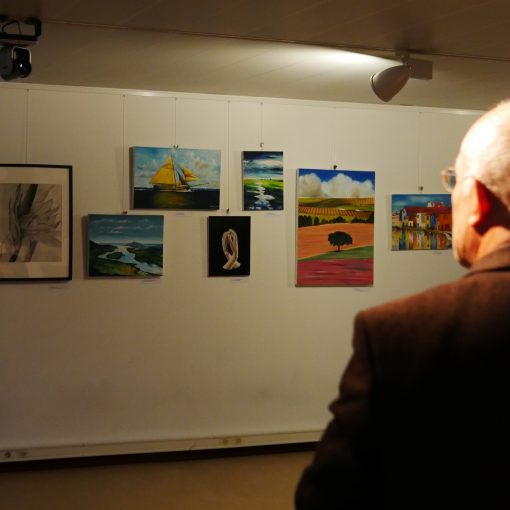
– Exhibition | September 17 to October 17 (at DEQB – campus building 7)
– Testimonials | until October (on the social networks of DEQB and CEB)
– Tree Planting | October (in the campus gardens)
– Time Capsule | October (with photos and messages from students, teachers, researchers, technicians, alumni and partners, to open in 10 or 20 years)
– Closing Ceremony | October 17 (starting at 10:00 am, on the Gualtar campus)