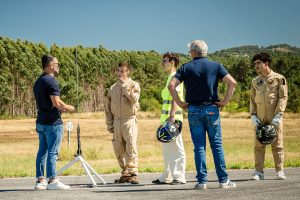
About 90 undergraduate and master’s students in Aerospace Engineering at the School of Engineering of UMinho made their first flight in an academic context on June 27, at the Alto Minho aerodrome (Cerval), in Vila Nova de Cerveira. The “flight window” ran from 12:45 pm to 3:30 pm. In the hangar there were several ultralights ready to fly over the banks of the Minho River, with the support of pilots and engineers.
In this Adaptation Program to the Air Environment (“PAM Aero”), students test on a practical level what they have learned in theory, summarizes the director of the master’s degree in Aerospace Engineering, Gustavo Rodrigues Dias. The students, mostly in the 1st year, also had the opportunity to interact with the aerodrome professionals for projects developed in the classroom.
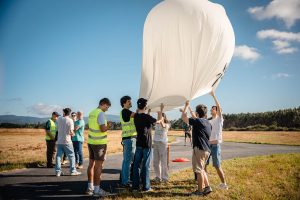
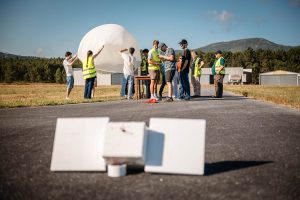
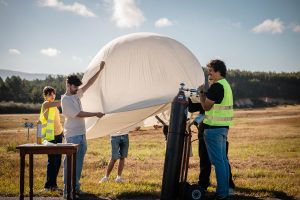
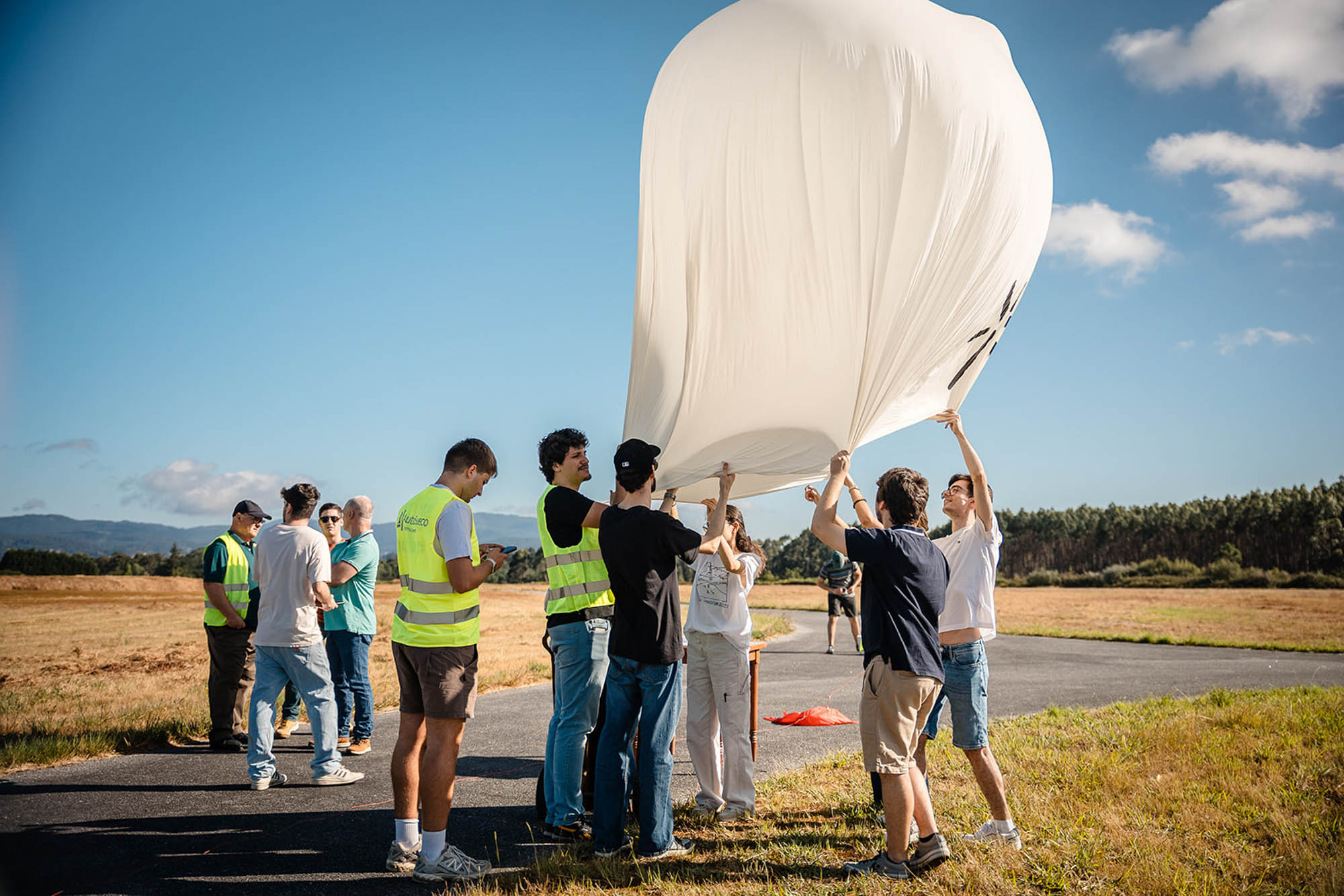
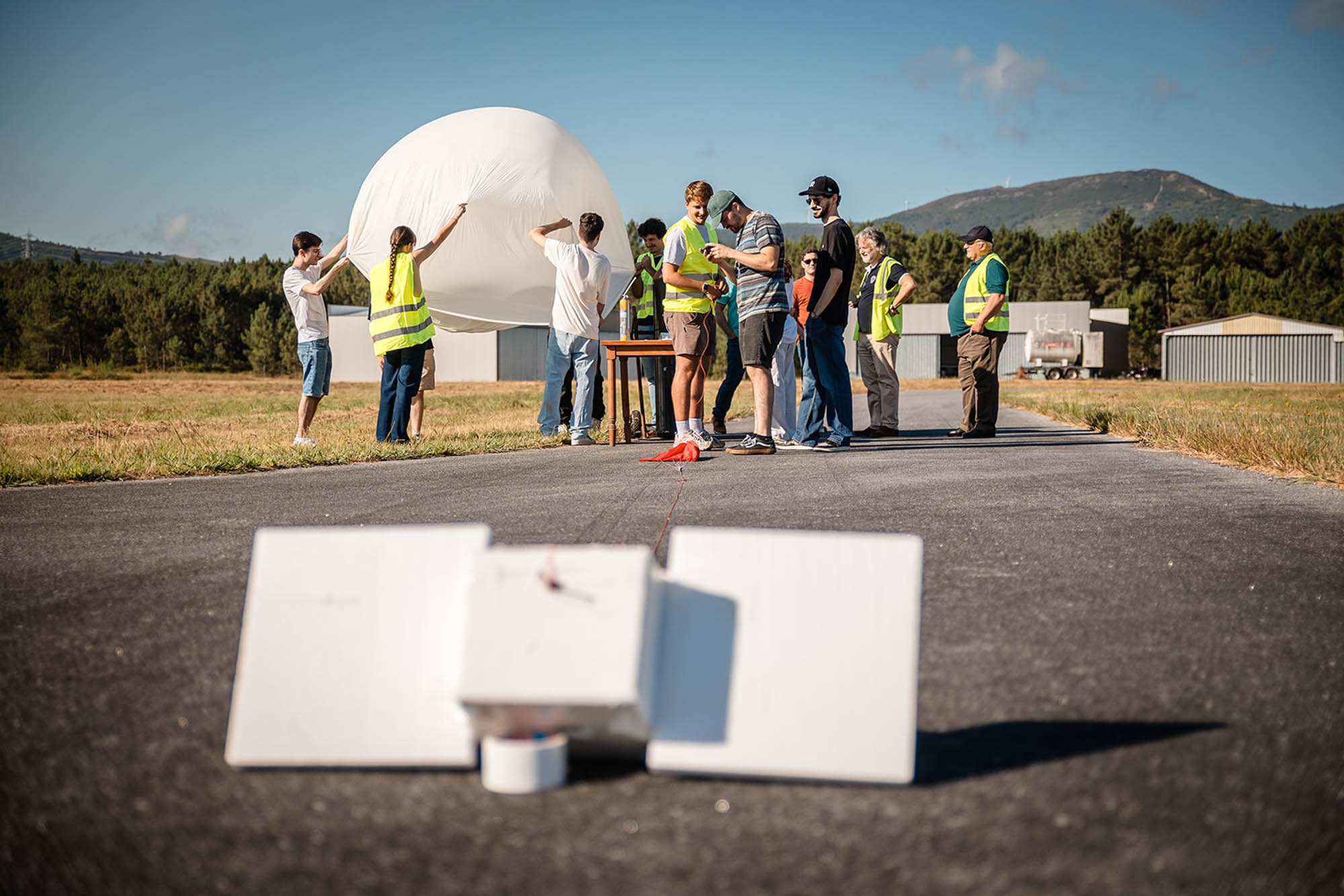
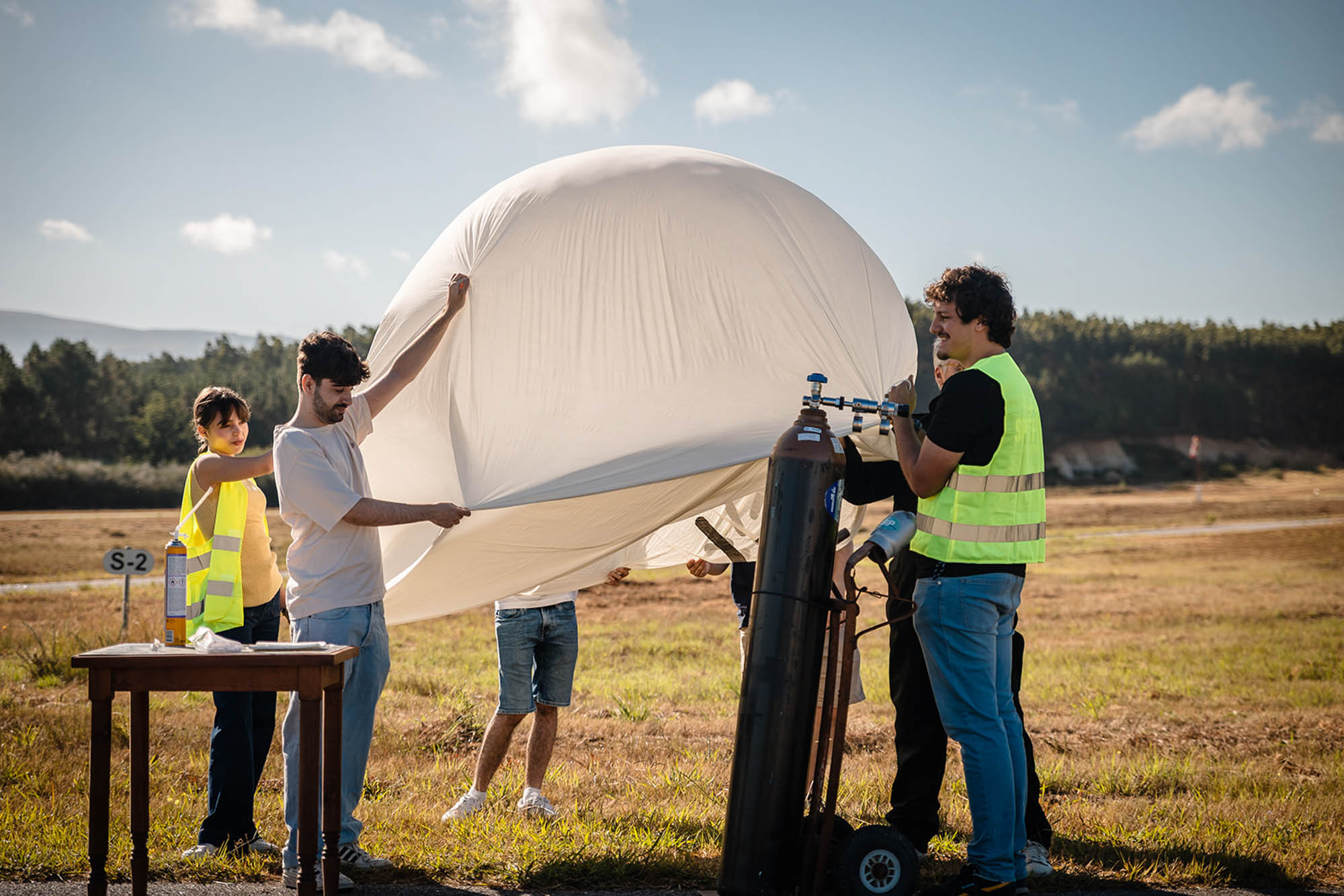
In the undergraduate degree – a course with the third highest minimum entry grade in the country (18.85 points) –, one of the subjects has been challenging students with design and construction projects in partnership with the sector: in 2024, they created a glider with end-of-life materials in partnership with local companies; in 2025, they studied and fine-tuned a model airplane glider; In 2026, students launched an atmospheric balloon that will collect atmospheric information up to 36km altitude.
Launch of mini-rockets
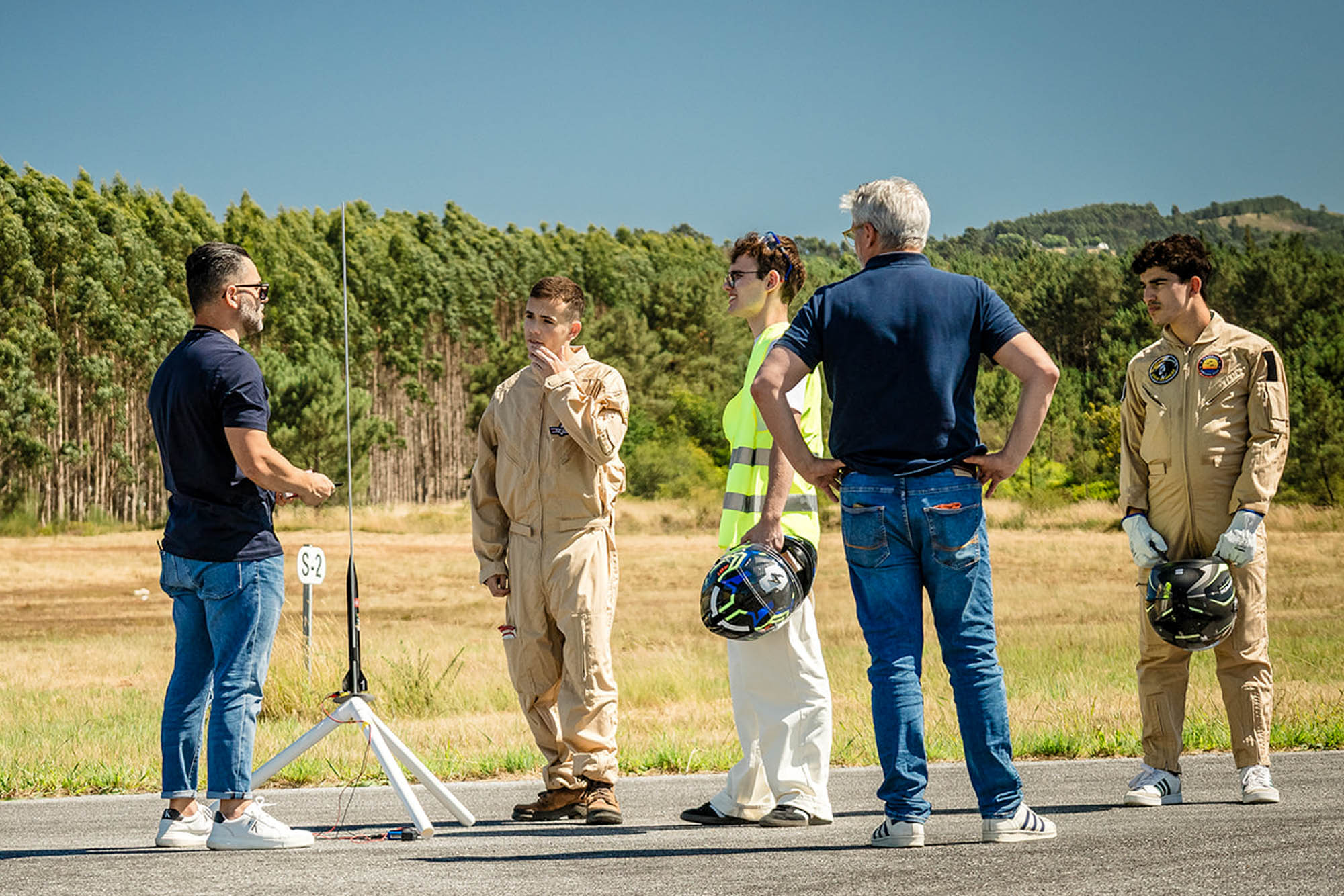
This year, 2nd year students built mini-rockets with a maximum altitude of 400m and a flight time of up to two minutes with landing by parachute. The class was divided into six groups and the respective rockets were launched at 16:00, also in Cerval. The moment was attended by the mayor of Cerveira, Rui Teixeira, and the Municipality of Valença, José Manuel Carpinteiro.
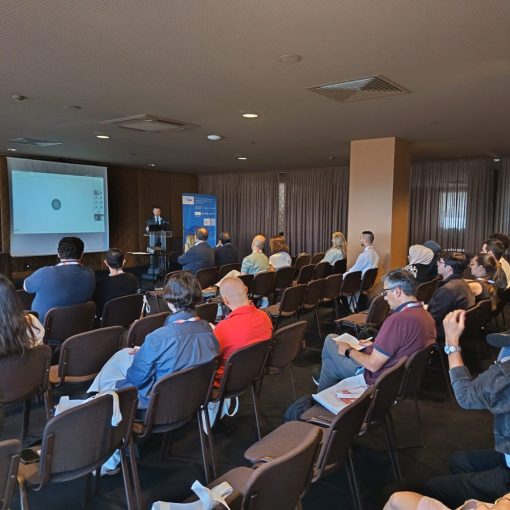
The students’ agenda at the aerodrome also included, in the morning, a welcome by Dean Sandra Dias Fernandes, the launch of an atmospheric balloon, a lecture on human limitations in the aeronautical environment, a workshop on the challenges of aeronautical acrobatics and an aeronautical mechanics class.
Historic site
The initiative has the support of the UMinho Aerospace Engineering Students Group (AeroUM / PAS Minho) and the Alto Minho Aeroclub, which signed a collaboration protocol with UMinho in 2023. The municipalities of Cerveira and Valença have also expressed interest in investing in the construction of a local hangar for the University’s research activities. The Cerval aerodrome is considered one of the most important in the Iberian Peninsula, with about sixty aircraft registered. It also has historical relevance: in 1933, the pioneer of American aviation Charles Lindbergh ran out of fuel in his Lockheed seaplane and made a forced ditching in the Minho River, in Friestas, Valença, projecting the place in the world press. In 1997, an allusive monument was erected on the site.