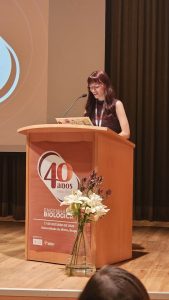
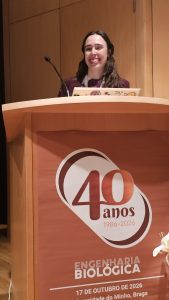
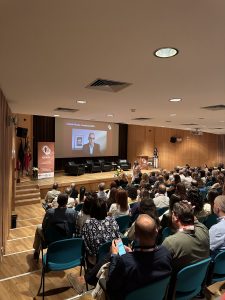
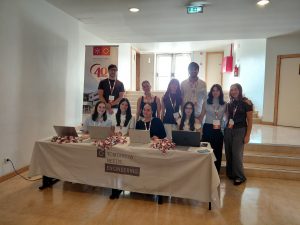
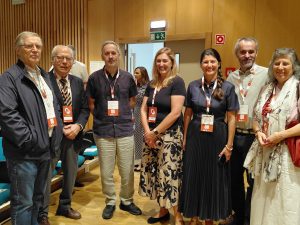
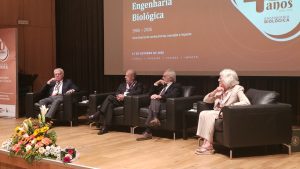
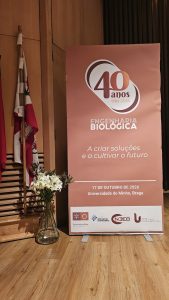
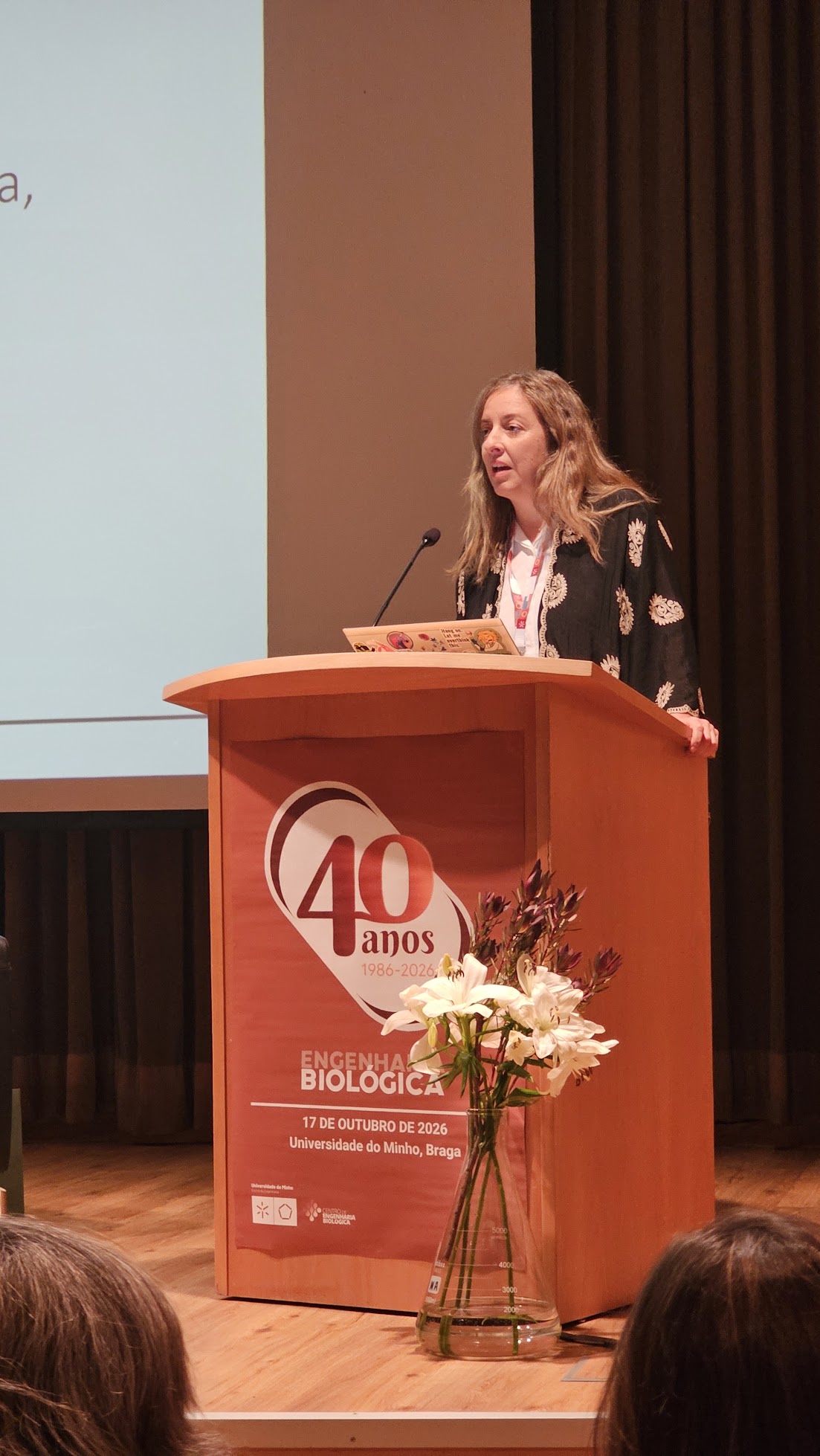
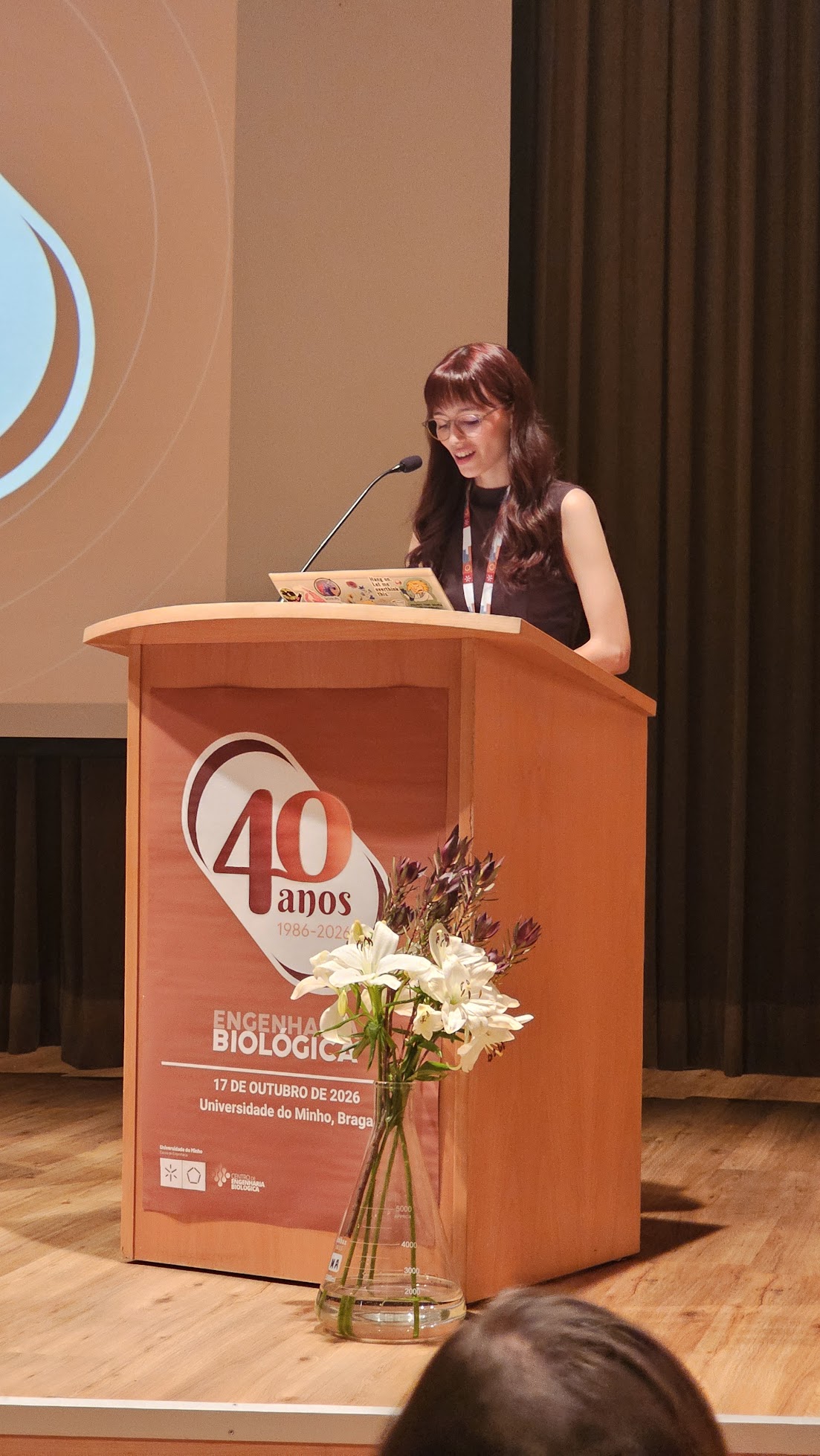
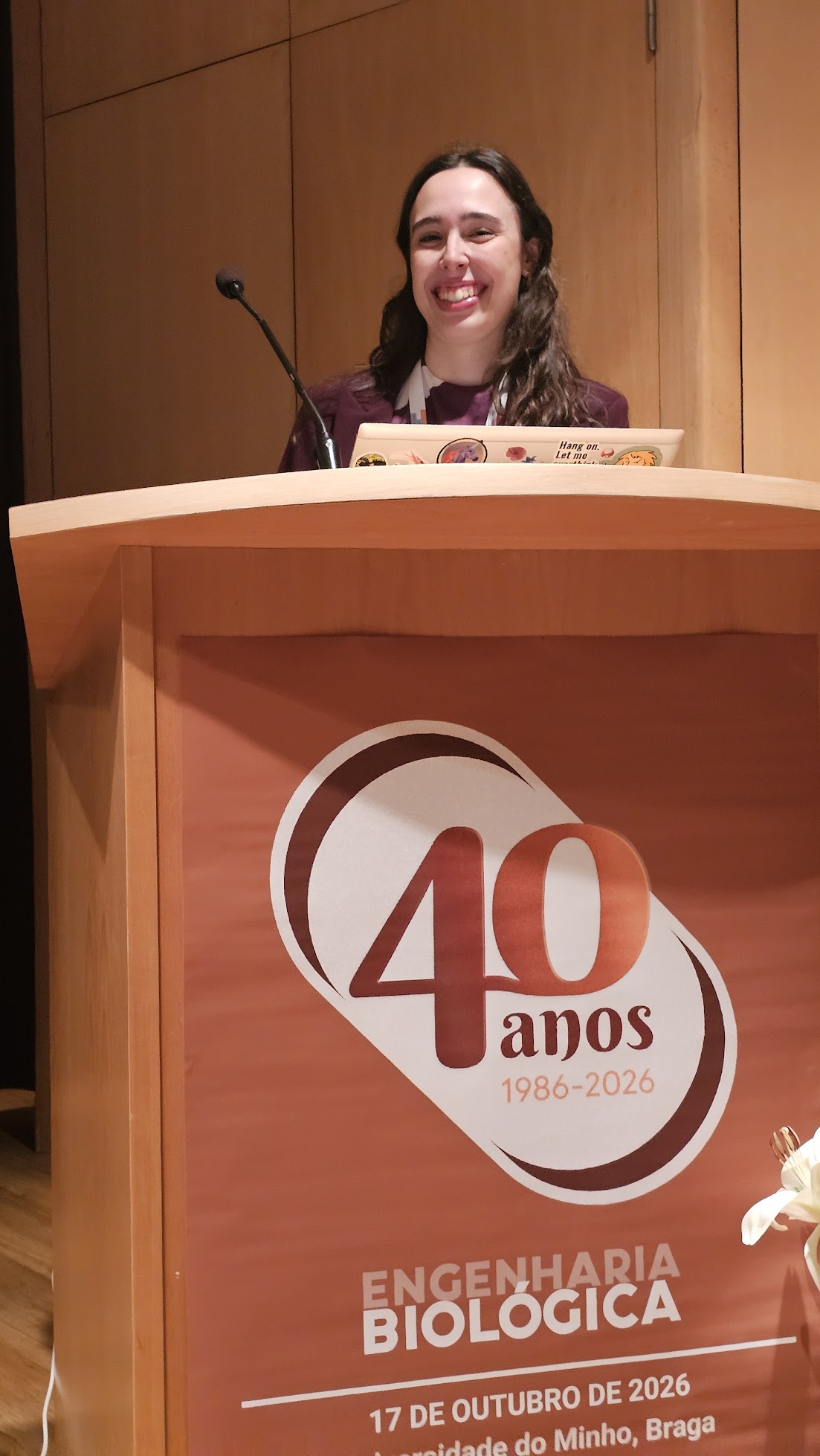
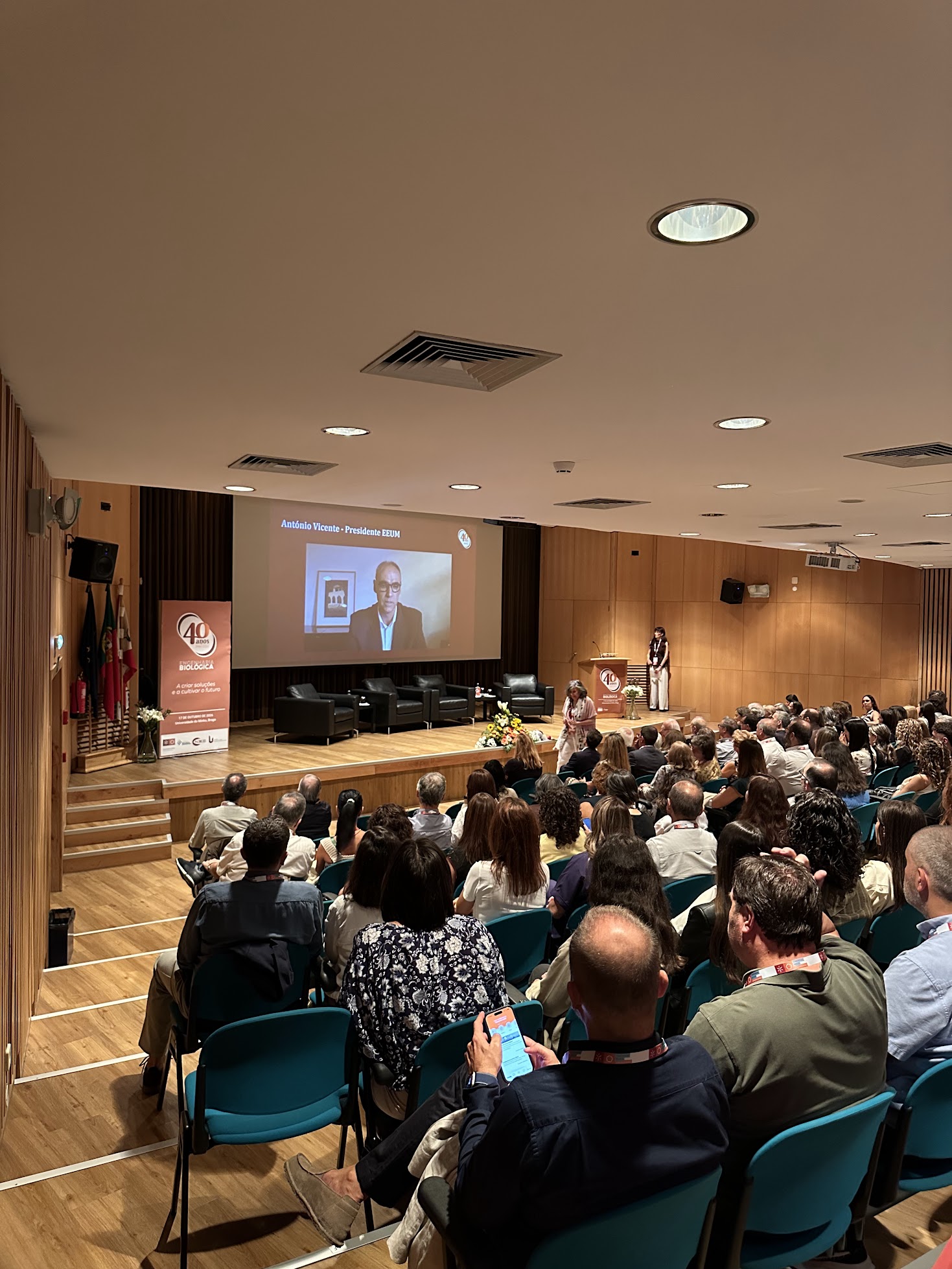
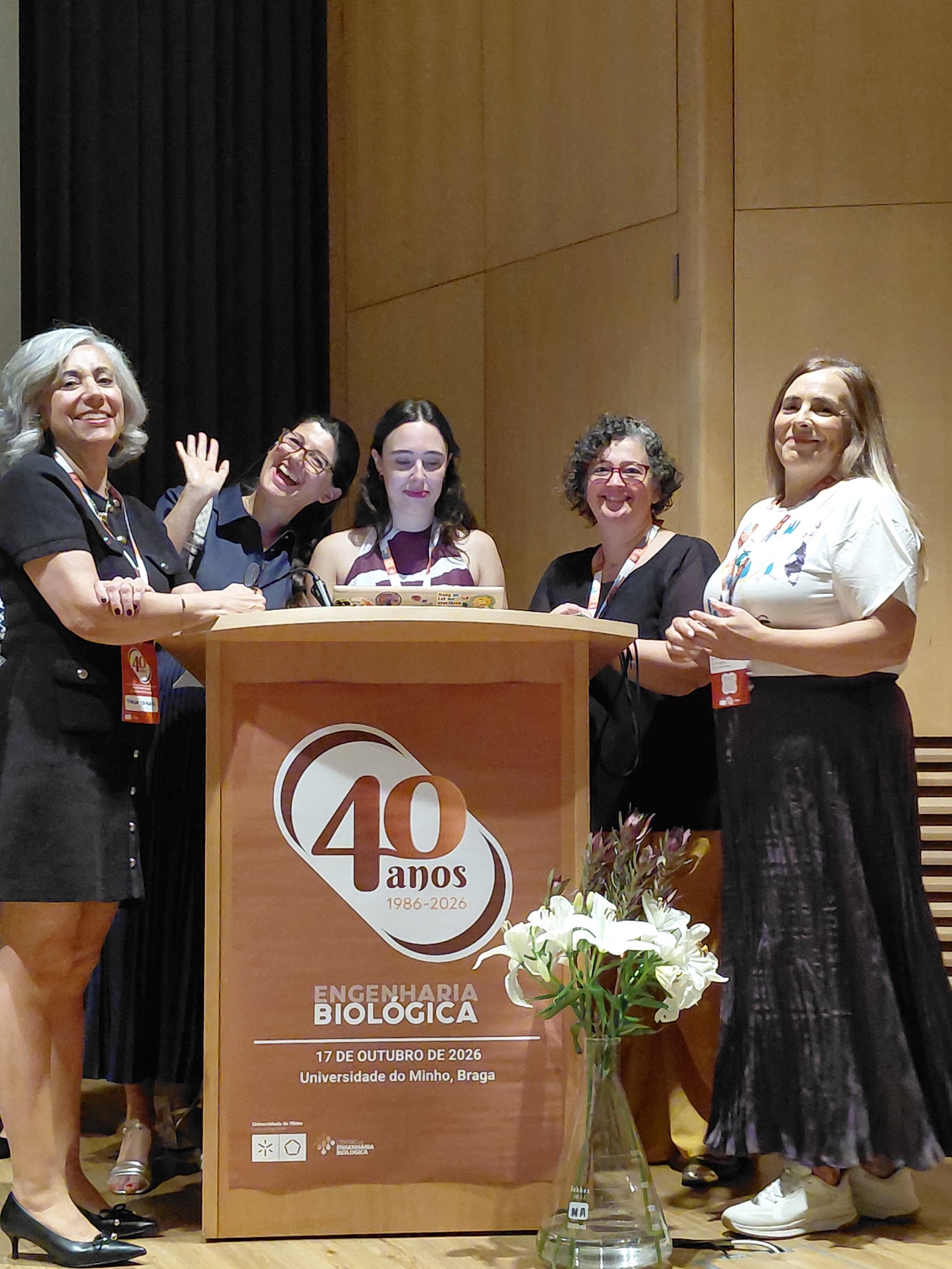
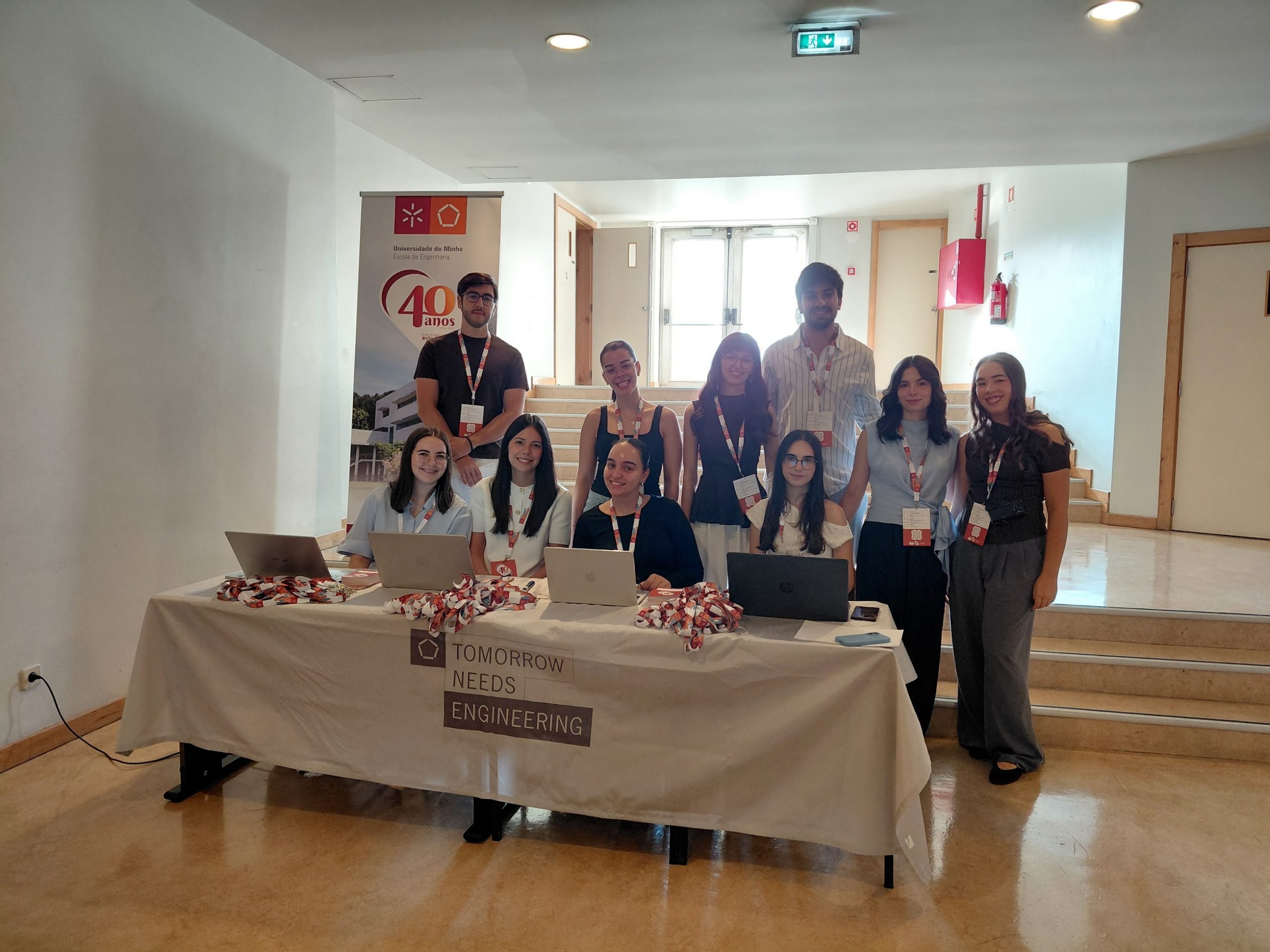
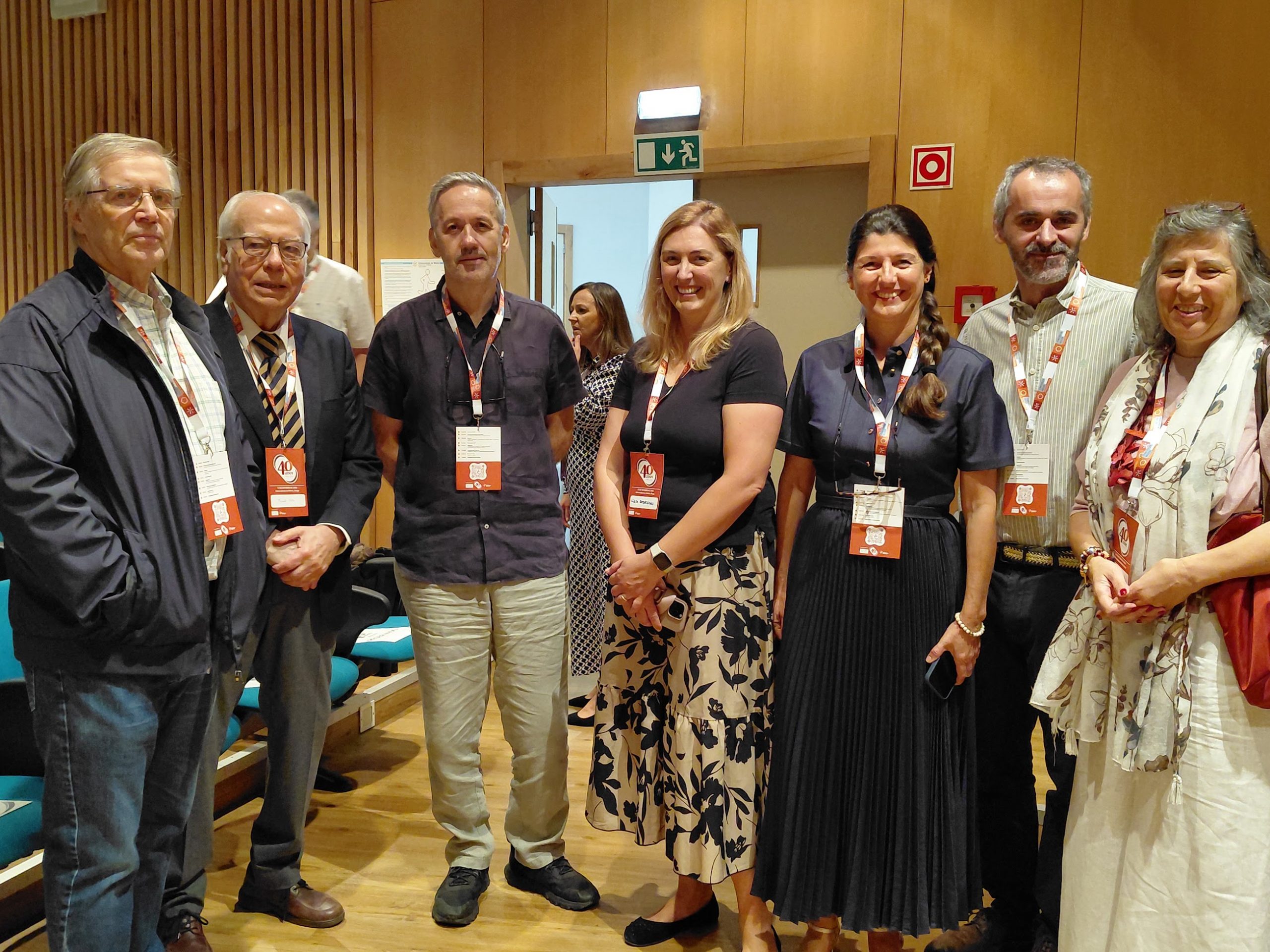
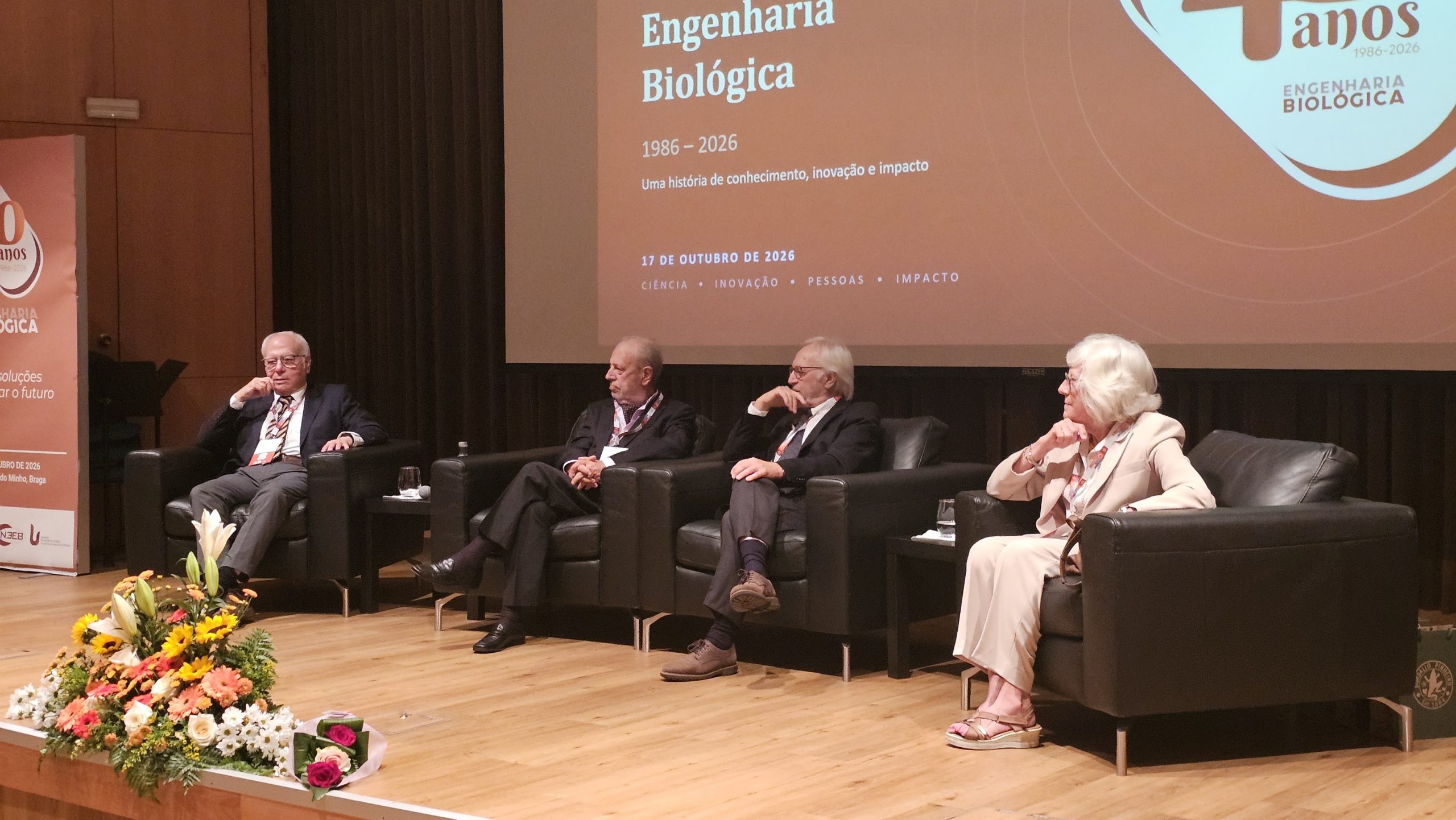
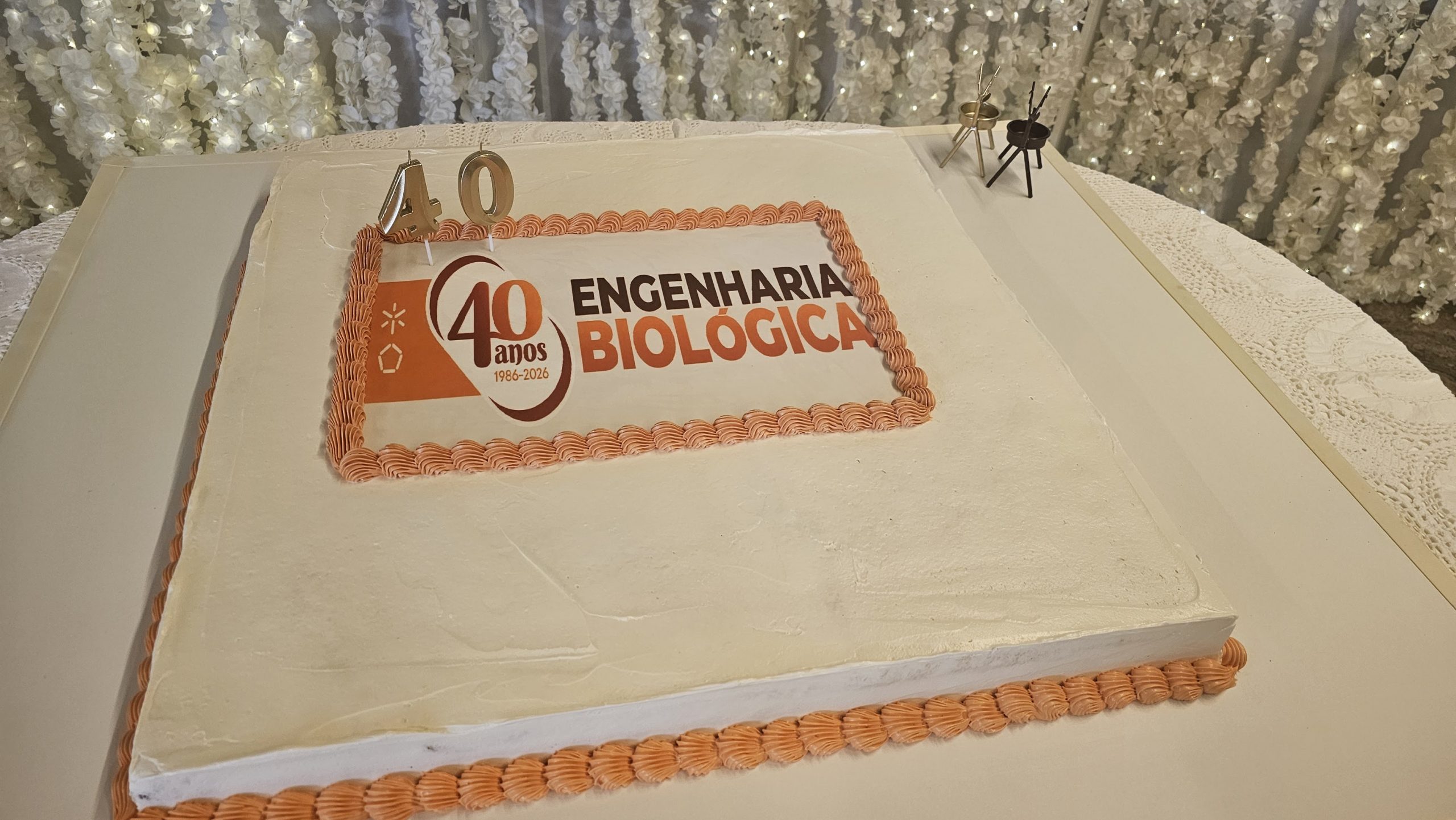
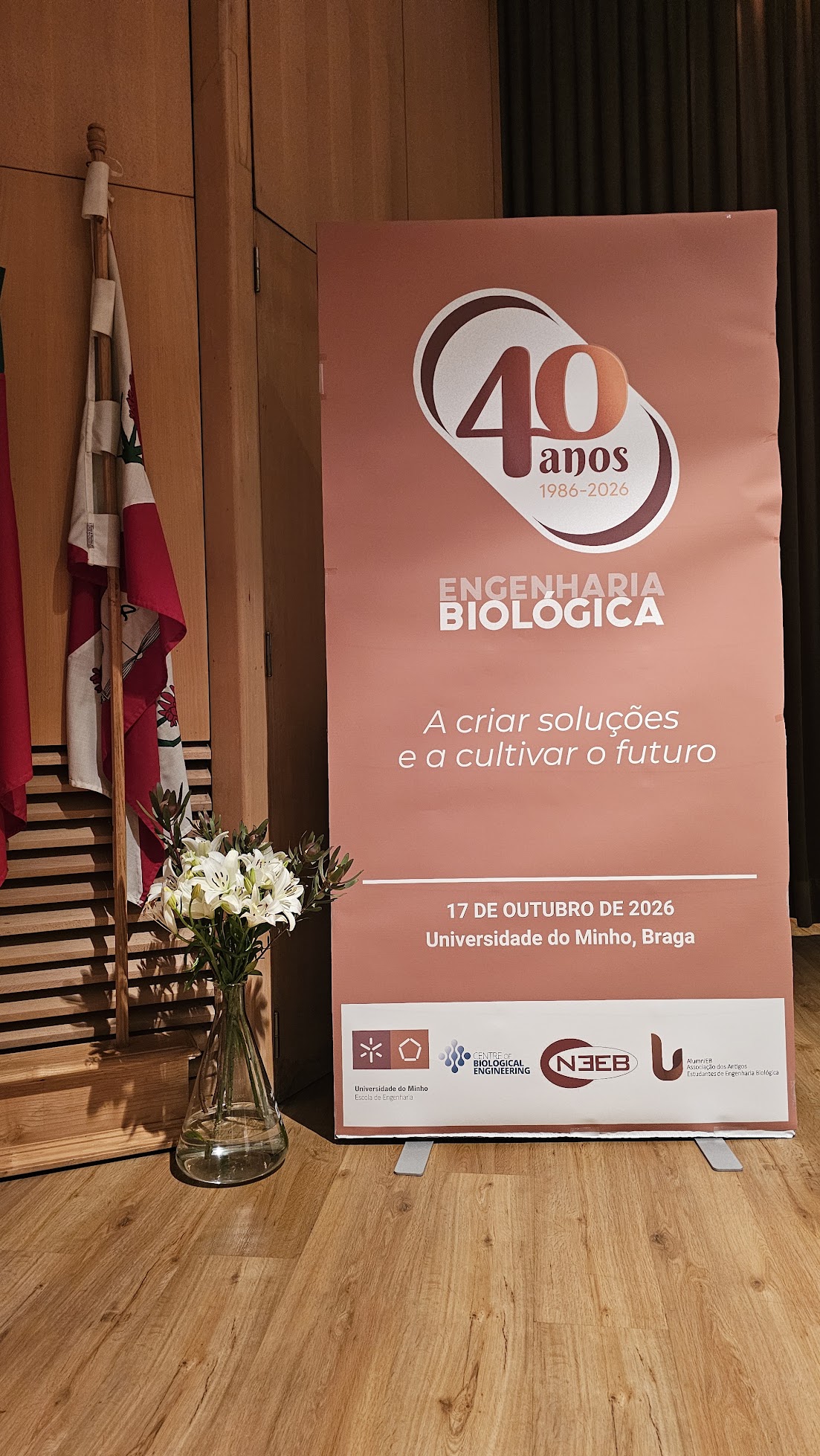
The ceremony took place on October 17, in Braga, and included tributes, a lecture by Isabel Rocha and testimonies from some of the 2000 students who have already graduated, who are spread around the world
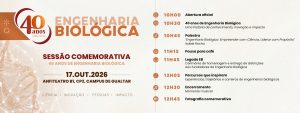
The commemorative session of the 40th anniversary of the degree in Biological Engineering at the University of Minho, a pioneer in Portugal, took place in auditorium B1 of the Gualtar campus, in Braga. The course includes about two thousand graduates and a strong connection between education, science and society, with impacts in several geographies.
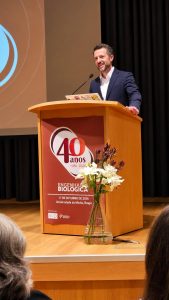
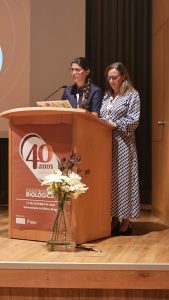
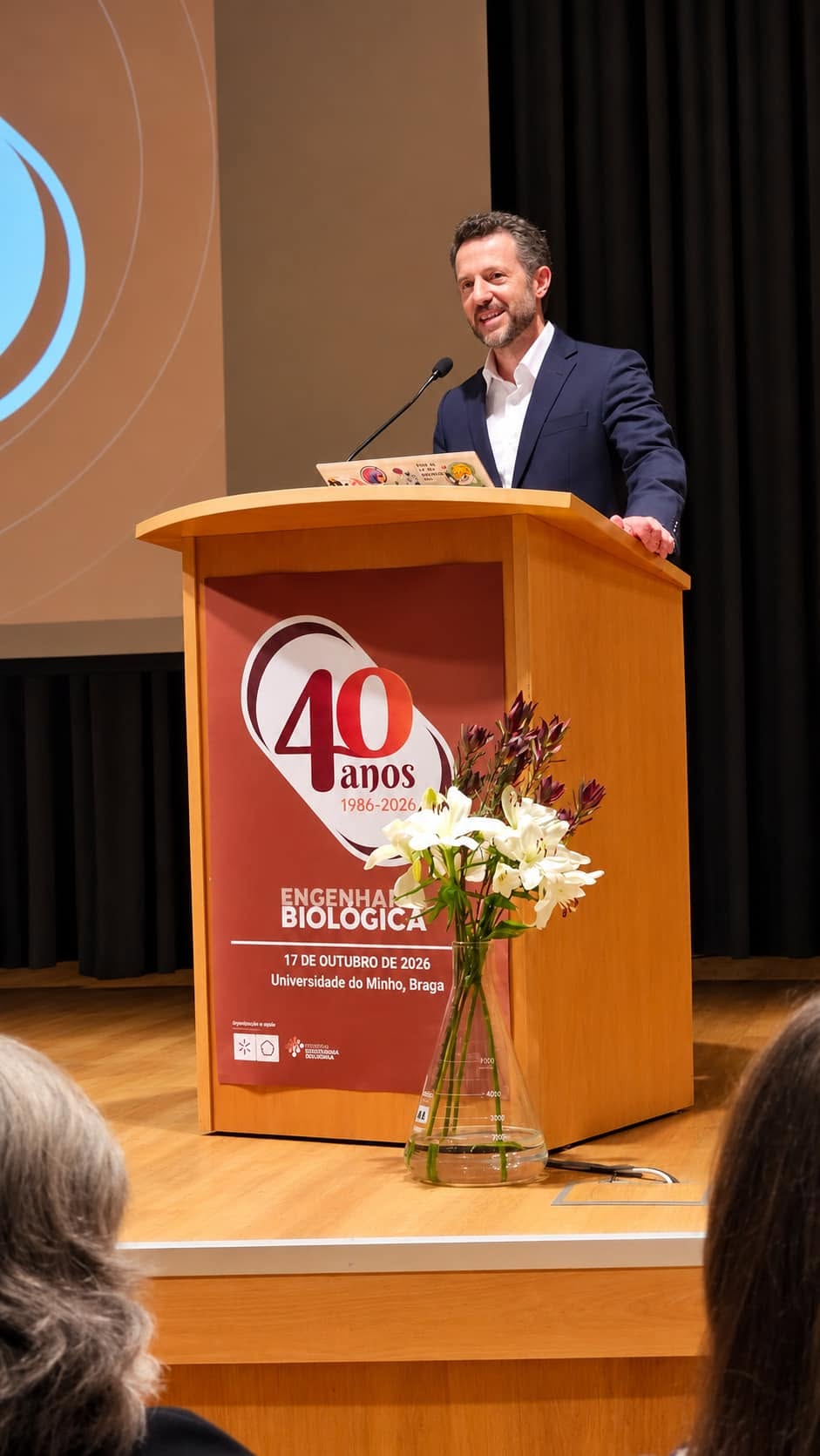
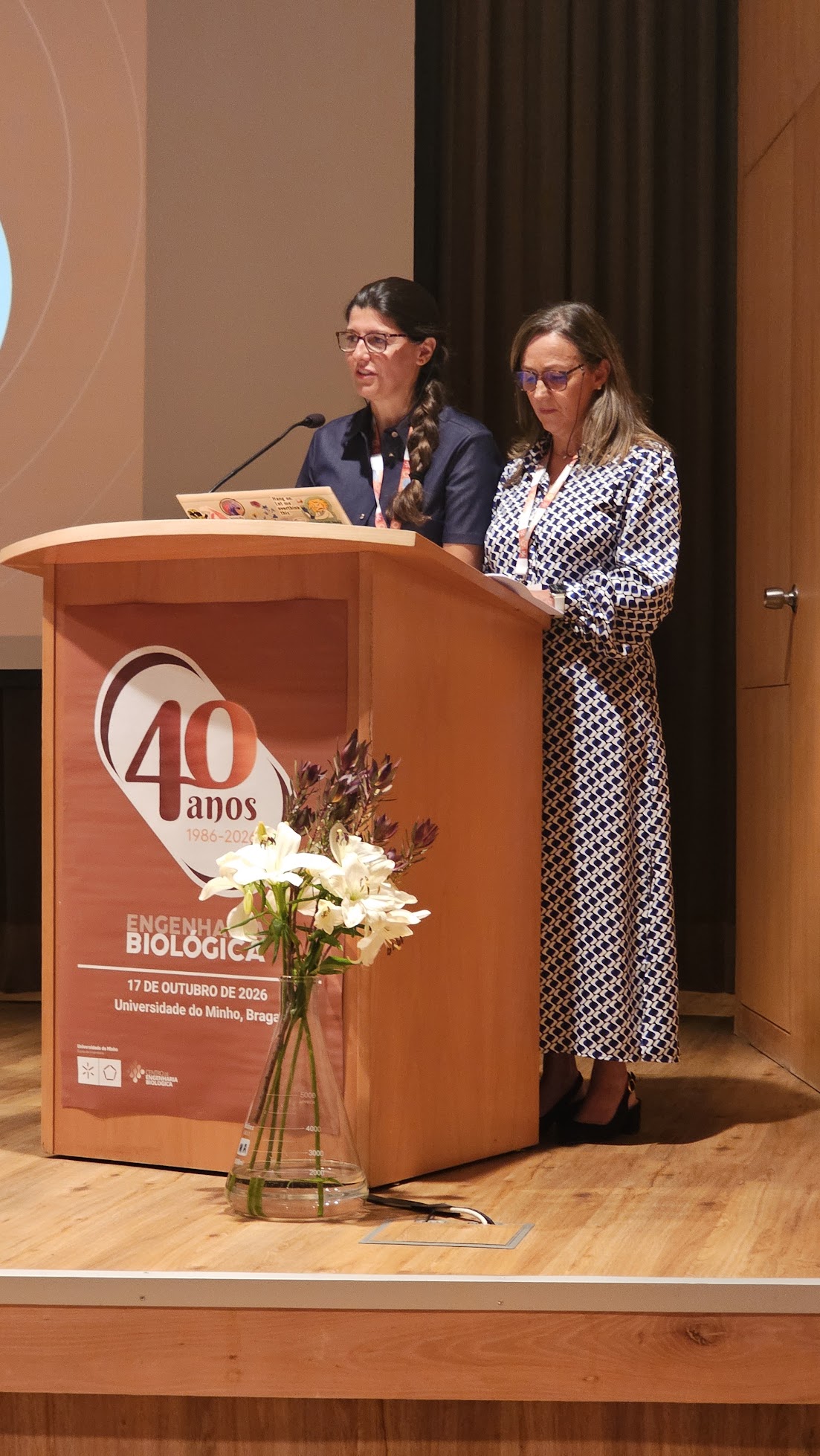
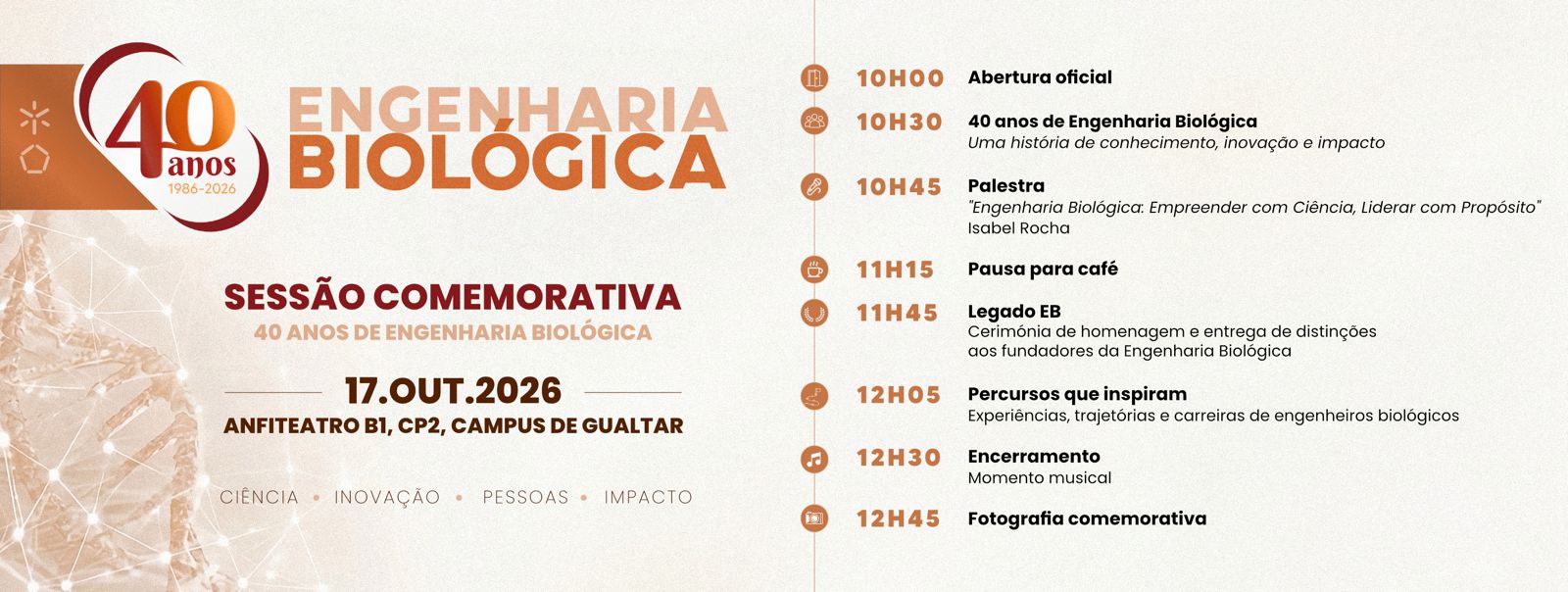
The opening moment was attended by the rector of UMinho, Pedro Arezes, the vice-president of the School of Engineering, Joana Cunha, the director of the Department of Chemical and Biological Engineering, Joana Azeredo, and the spokesperson for the commemorative committee, Mariana Henriques.
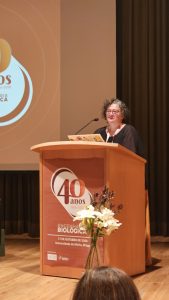
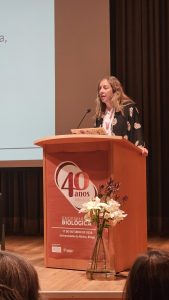
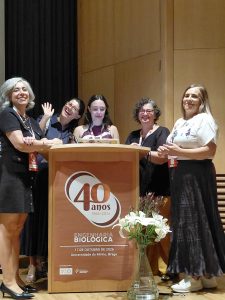
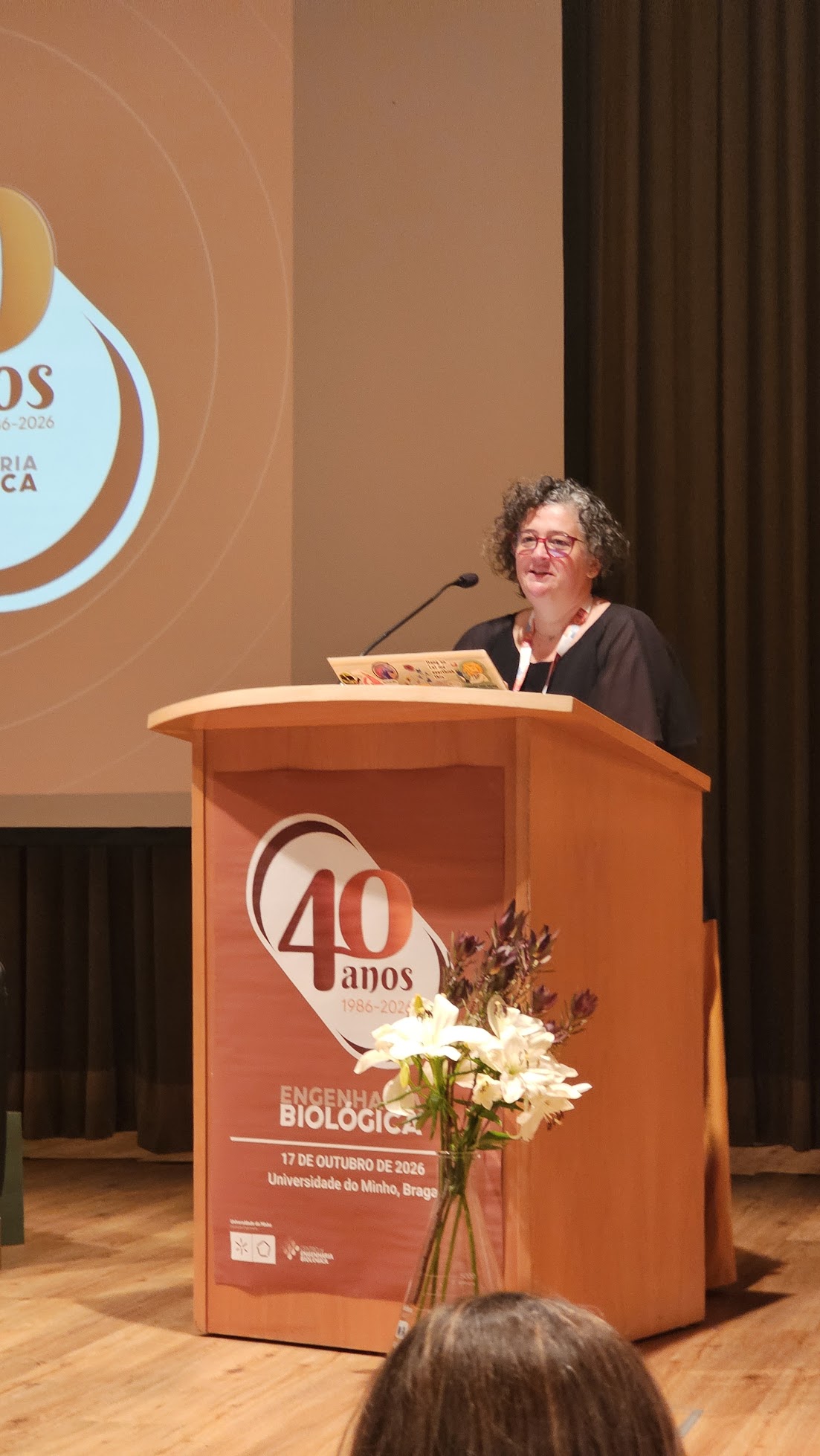
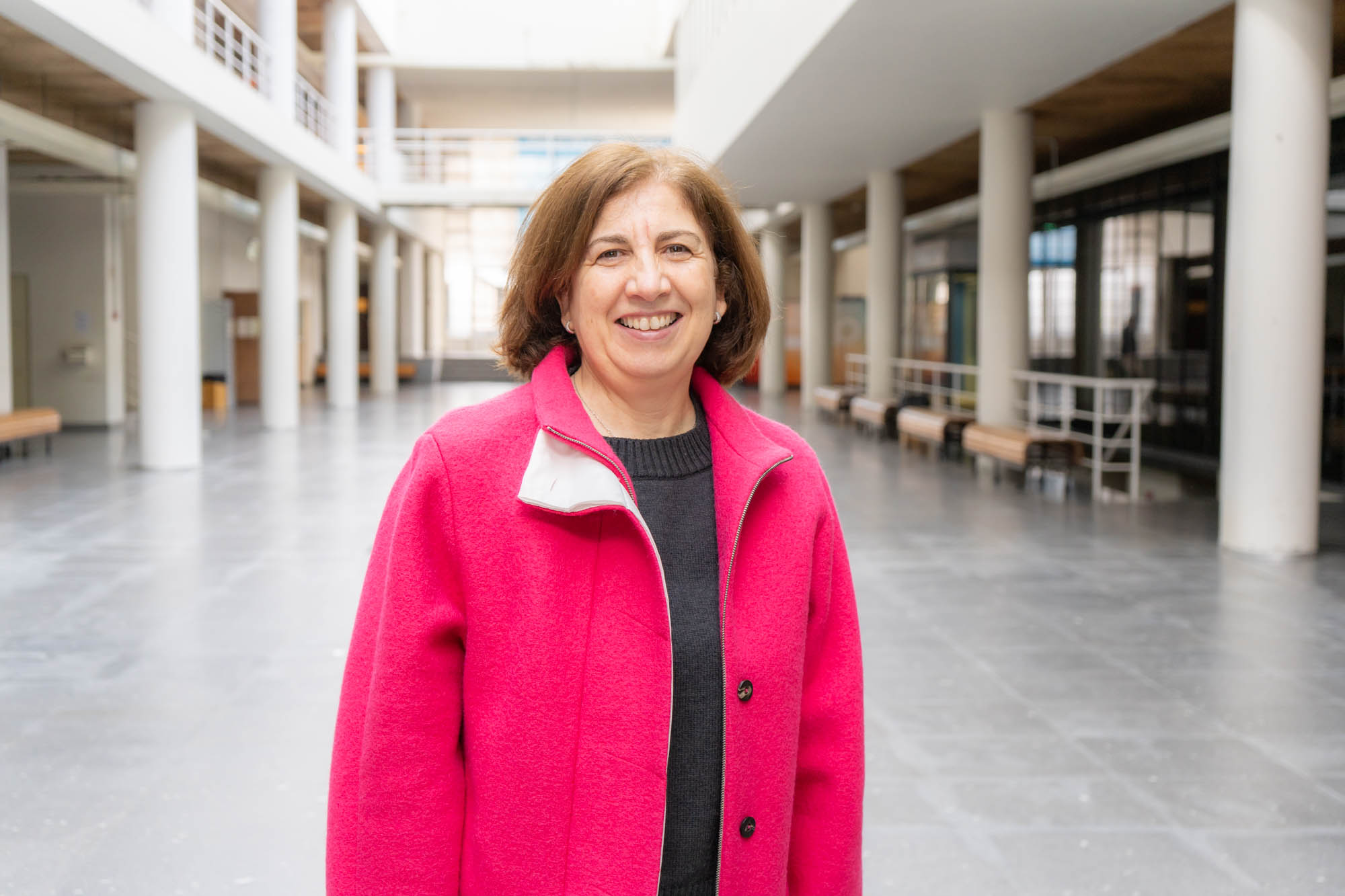
The session continued with an evocative video and a lecture by Professor Isabel Rocha, graduated from UMinho and currently vice-rector of Universidade Nova de Lisboa. At 12:00 pm, several former students shared experiences and professional paths, followed by a musical performance, a group photo and lunch.
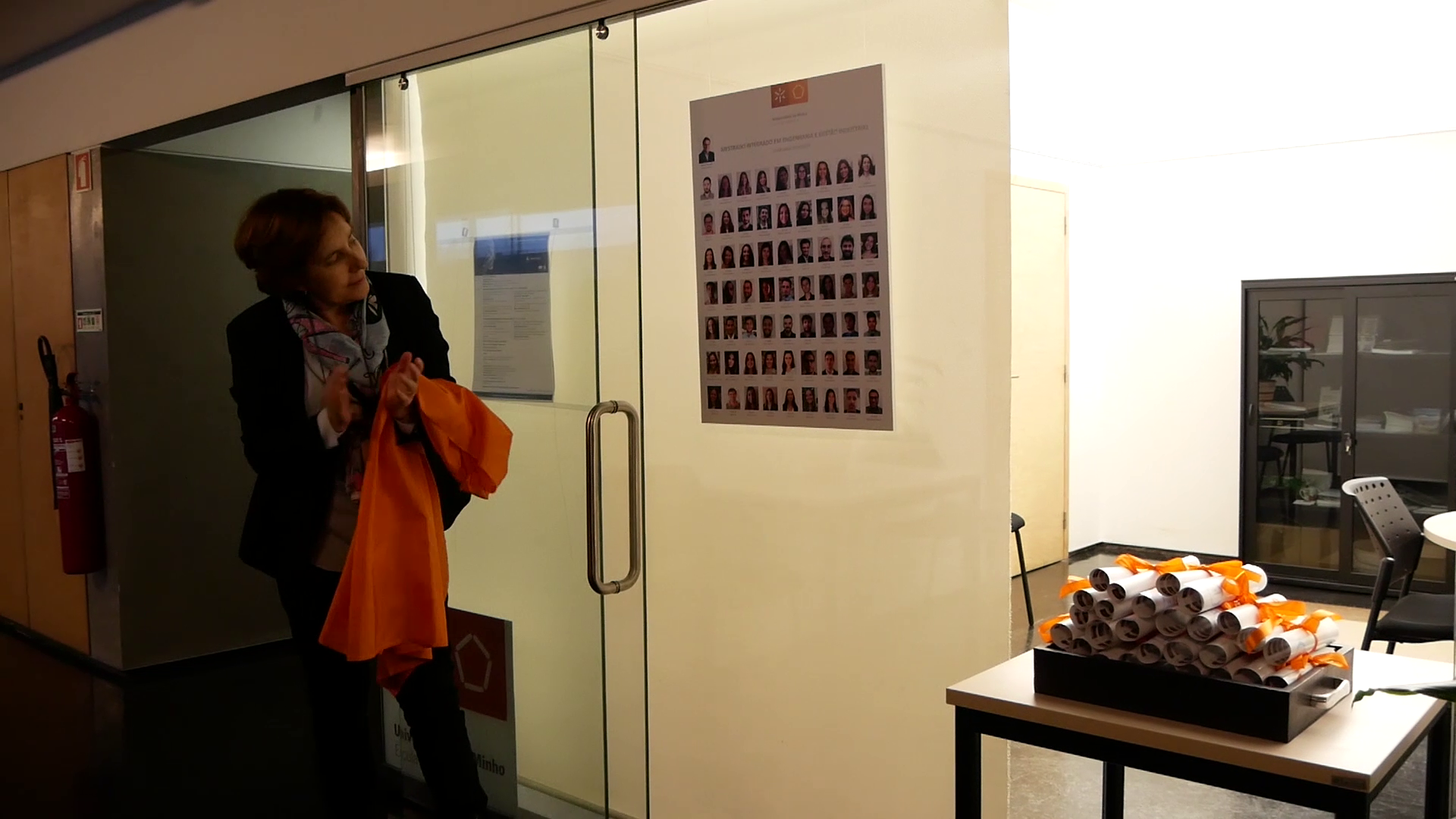
The anniversary has been marked throughout the year with initiatives for the public, such as a cycle of gatherings with alumni at FNAC Braga, four lectures at the Lúcio Craveiro da Silva Library, several walks, an exhibition and testimonies on social networks. It is also planned to plant four native trees on campus, one per decade, have a “time capsule” with contributions from the community and finalize the survey of current and former biological engineers to identify where they are and bring them together.
The degree created in 1986 gave rise, after twenty years, to the integrated master’s degree in Biological Engineering, which in 2021 was split into the current three-year degree in Chemical and Biological Engineering and a two-year master’s degree. Research is another facet of this path. The Center for Biological Engineering (CEB), rated Excellent by the tutelage, has 19 scientists in the group of the 2% most cited in the world and has been at the origin of 63 patents and two dozen companies, such as Biotempo, Ambisys, SilicoLife, Letra and Solfarcos. CEB is also co-promoter of the European Microbial Resources Research Infrastructure (MIRRI), supported by the EU, and is preparing to have the second laboratory in phage therapy in Europe.
The Presidency of the School of Engineering congratulates the Department of Chemical and Biological Engineering for this successful journey.